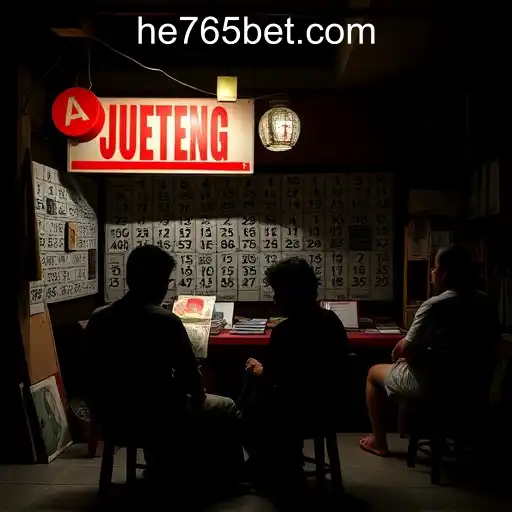
Understanding Jueteng: An Illegal Numbers Game
A Glimpse Into Jueteng
Jueteng is a well-known but illegal numbers game in the Philippines. With deep historical roots, it remains prevalent despite numerous efforts to eradicate it. The game involves betting on numbers from 1 to 37, akin to a local version of the lottery, facilitated by a complex network of guises and participants. The term Jueteng itself is derived from two Spanish words: “jugar” meaning 'to play' and 'etang' indicating paylines.
Origins and Evolution
Emerging during the Spanish colonial era, Jueteng was introduced as a means of leisure which evolved into a ubiquitous form of gambling. It has persisted through societal changes, reinforcing its presence in both rural and urban areas. Historical allure paired with the possibility of quick wealth keeps its momentum, with gamblers betting small amounts for potentially significant rewards. Over decades, Jueteng's framework has morphed to evade crackdowns, involving collusion with local officials and law enforcement to persist uninterrupted.
Mechanics of Play
The core of Jueteng operates through numerous cobradores, or collectors, who solicit bets for two-number combinations. Bets are minimal, state-level prohibitions notwithstanding, offering higher gains than its legal alternatives. Results are drawn twice daily, usually publicized through a traditionally trusted method or clandestine announcements. Intriguingly, winning numbers are often said to be acquired through dreams, omens, or superstitions.
HE765 Oficial Slots Brasil #1: A Parallel in Legal Betting
While Jueteng continues under the cloak of informality, organized betting platforms like HE765 Oficial Slots Brasil #1 represent the legal alternatives available globally. These platforms assure transparency, fair play, and adherence to gaming laws, contrasting Jueteng's shadowy nature. Yet, the allure of Jueteng, thriving on community ties and cultural nuances, remains unmatched for many Filipinos despite the expanding reach of online gaming.
The Complex Network
Jueteng's persistence stems from its intricate system encompassing kubradors (bet collectors), cabo (supervisor), financiers, and corruption webs. These layers ensure operations are discreet yet efficient, with proceeds often greasing the wheels of politically influential figures and enforcers. This complex structure cultivates a quid-pro-quo dynamic where community members and power-brokers coexist and mutually benefit.
Socio-Economic Impacts
On one hand, Jueteng provides a semblance of income for those in the lower economic echelons acting as kubradors. On the other, it perpetuates a cycle of dependency and under-the-table dealings. The dream of transforming fortunes outweighs the risk, blurring ethical lines and facilitating a culture where illegal gambling feels normatively appropriate. Additionally, funds accrued are seldom reinvested in communal welfare or taxation, stymying developmental prospects.
Legal Challenges and Enforcements
Regulations and enforcements against Jueteng have seen varied success. Numerous administrations have pledged to dismantle the system, yet prosecutorial drives often fizzle amidst resistance from entrenched networks and loopholes in legal frameworks. Sporadic legal actions result in temporary cessation, only for operations to seamlessly resume soon after. This cat-and-mouse game exemplifies larger systemic issues where legality bows to longstanding cultural traditions and economic motivations.
The Modern Debate
Present-day debates revolve around Jueteng's full-scale legalization. Proponents argue regulation could transform Jueteng into a revenue-generating entity akin to national lotteries, aiding broader fiscal objectives. Critics, however, voice concerns over moral hazards, fearing normalization could further deepen socio-economic disparities and divert attention from pressing systemic reforms.
The Path Forward
Reconciling a widespread cultural practice with legal imperatives poses formidable challenges. While banning Jueteng entirely seems improbable, efforts could focus on sustainable socio-economic reforms, encompassing poverty alleviation, education, and comprehensive legislation. The demand for instant financial reprieve will linger as long as disparity exists, necessitating multifaceted solutions, rigorous policy dialogues, and robust community engagements.
As Jueteng continues to captivate and confound, comparisons with regulated gaming such as the HE765 Oficial Slots Brasil #1 persist, showcasing a dichotomy between cultural legacy and formalized systems. Balancing these remains a test for Philippine governance, seeking harmony between tradition and progress.